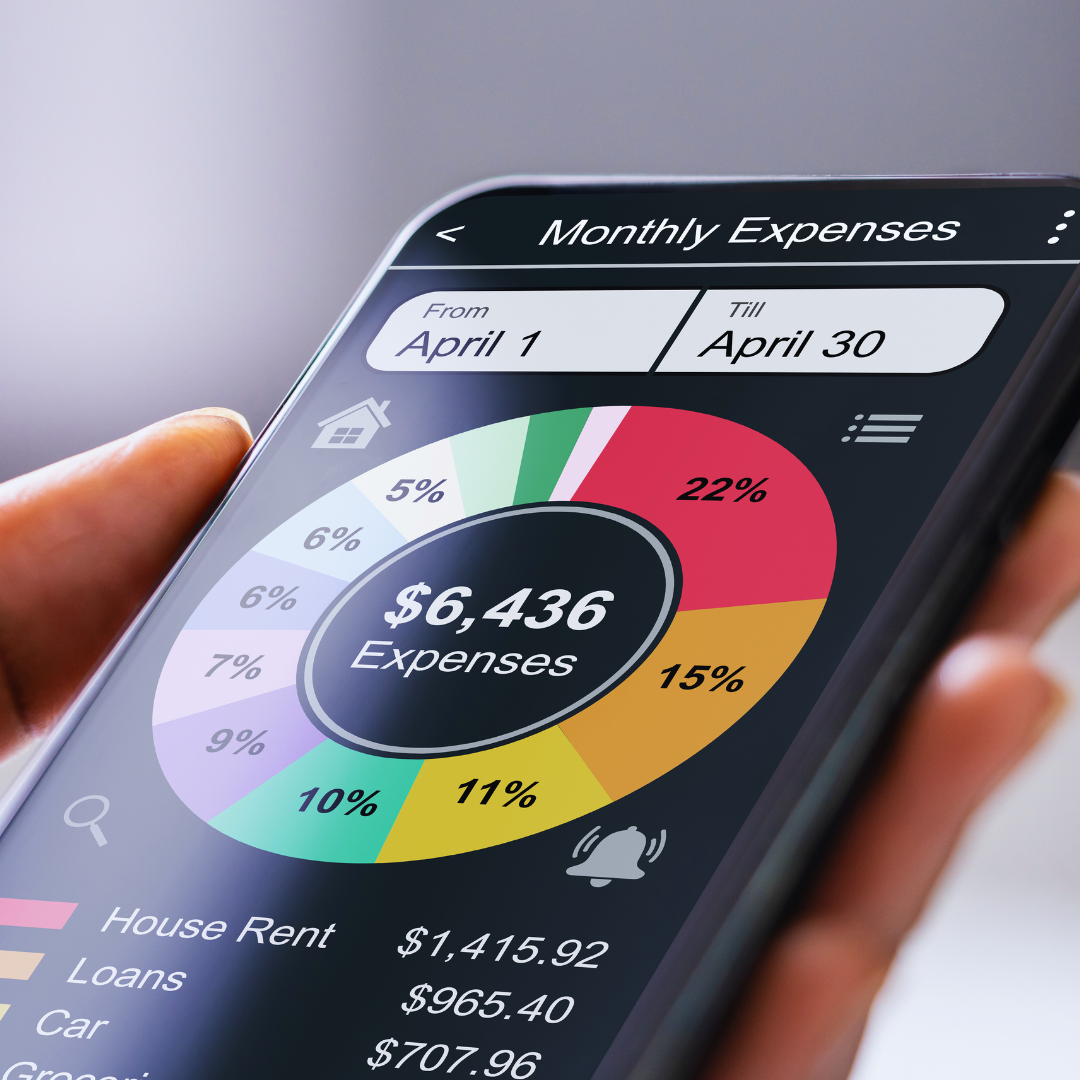
Tracking expenses accurately is essential for maximising tax efficiency. It allows individuals and businesses to claim all eligible deductions and avoid missing out on potential savings. The key is to maintain detailed, organised records that clearly separate deductible expenses from non-deductible ones.
An effective tracking system involves categorising costs, keeping receipts, and regularly updating records. By doing this, it becomes easier to prepare accurate tax returns and respond to any tax authority queries swiftly. This approach reduces the risk of errors and can lead to greater tax savings over time.
Understanding Expense Tracking for Tax Efficiency
Effective expense tracking enables individuals and businesses to identify deductible costs accurately. This practice reduces taxable income and ensures they do not miss opportunities to lower tax liabilities. Maintaining thorough records also supports compliance with tax regulations and simplifies tax filing.
Key Principles of Tax-Efficient Expense Tracking
Tax efficiency depends on capturing all relevant expenses that can be claimed under tax laws. Tracking should differentiate between personal and business-related costs clearly. Only expenses directly related to earning income or operating a business are usually deductible.
Organising expenses by category and date helps maintain clarity. Consistent logging, preferably in real time, prevents missed entries. Using digital tools or software designed for expense tracking improves accuracy and allows easier reporting during tax assessments.
Regularly reviewing tracked expenses helps identify savings opportunities. Comparing actual expenses against budgets also guides better financial planning. Keeping receipts and invoices organised is essential to verify deductions if questioned by tax authorities.
Common Types of Tax-Deductible Expenses
Most tax systems allow deductions on expenses that are necessary and ordinary for business or income generation. These commonly include:
- Office supplies such as stationery and printer ink.
- Travel costs when incurred for work purposes, including mileage or public transport fares.
- Professional services like accounting or legal advice are directly related to business.
- Equipment and software used in production or service delivery.
- Home office expenses are proportional to business use.
Expenses must be documented with receipts or digital records. Some costs, such as meals or entertainment, have partial deductibility limits. Knowing which expenses qualify prevents over-claiming and potential penalties.
How Accurate Record-Keeping Minimises Taxable Income
Precise and thorough record-keeping allows for maximising allowable deductions without errors. It eliminates guesswork about amounts and categories, reducing the risk of ignored deductible expenses. Maintaining accuracy also helps avoid audits and fines.
Using standardised formats or software ensures consistent data input. Backing up records regularly protects against data loss. Accurate documents also facilitate detailed tax returns, which reflect true expenses and decrease taxable income effectively.
Timely updates prevent last-minute confusion and enable ongoing expense monitoring. This approach supports smarter financial decisions that enhance overall tax efficiency.
Methods and Tools to Track Expenses Effectively
Tracking expenses accurately requires choosing the right method and tools. It involves selecting an approach suited to one’s workflow, applying technology for accurate categorisation, and maintaining organised records.
Manual Versus Digital Tracking Solutions
Manual tracking often uses physical ledgers or spreadsheets. It is simple and low-cost, but can be time-consuming and prone to errors if not updated regularly. Manual methods require discipline to maintain accuracy.
Digital tracking solutions offer automation, quicker data entry, and better error reduction. They include software or apps that sync with bank accounts and credit cards, providing real-time expense updates. However, they may involve subscription fees or require initial setup time.
Choosing between manual and digital depends on the user’s comfort with technology, volume of transactions, and desired detail. Many begin manually before moving to digital systems as their needs grow.
Utilising Apps and Software for Expense Categorisation
Apps like Expensify, Receipt Bank, and QuickBooks can automate expense categorisation based on predefined rules. These tools allow users to assign categories like travel, meals, or office supplies, improving organisation and saving time during tax filing.
Some software integrates with bank accounts, automatically importing transactions and flagging tax-deductible expenses. Users can customise categories to match specific tax requirements, ensuring precise records.
Reports generated by these tools give summaries by category and date range, aiding in identifying deductible expenses and spotting spending trends over time.
Organising Receipts and Documentation
Physical receipts must be stored systematically to support expense claims. Using labelled folders, binders, or envelopes by month or category helps maintain order.
Digital copies are often preferable; scanning receipts via apps or scanners preserves records and prevents loss. Cloud storage solutions like Google Drive or Dropbox provide easy access and backup.
Organising receipts promptly reduces the risk of missing documentation when preparing tax returns. Consistent filing aligns expenses with recorded transactions, ensuring accuracy and compliance.
Investment Accounts and Tax-Efficient Strategies
Tracking expenses and contributions across different investment vehicles is critical to reducing taxable income and maximising returns. Understanding how to record transactions in taxable accounts and leveraging tax-advantaged accounts like 401(k)s and IRAs can improve overall tax efficiency.
Tracking Expenses in Taxable Accounts
In taxable accounts, every purchase, sale, and dividend affects tax liability. Keeping detailed records of purchase dates, cost basis, and sale proceeds is essential for accurate capital gains reporting.
Transaction fees and commissions should be tracked as they adjust the cost basis, lowering taxable gains. Investors must distinguish between short-term and long-term holdings since gains are taxed differently.
Dividends and interest income must also be recorded separately. Tax-efficient strategies include harvesting losses to offset gains and holding investments longer to benefit from favourable long-term capital gains rates.
Maximising Allowances with 401(k) and IRA Contributions
Contributing the maximum allowable amount to a 401(k) or IRA reduces taxable income directly. These accounts offer tax deferral on earnings, meaning no taxes on dividends or gains until withdrawal.
For 2025, the 401(k) contribution limit is £22,500, with catch-up contributions available for those over 50. IRA annual limits are £6,500 or £7,500 with catch-up.
Investors should prioritise maxing out employer-matched 401(k) contributions first, as it provides immediate returns. Roth IRAs, while not tax-deductible, offer tax-free withdrawals, benefiting those expecting higher future tax rates.
Managing Investments: Mutual Funds, Stocks and Growth Stocks
Mutual funds generally generate more taxable events due to frequent portfolio turnover, producing capital gains distributions that must be tracked by investors.
Stocks, especially growth stocks, can be more tax-efficient if held long term, as capital gains taxation applies only upon sale. Reinvesting dividends in taxable accounts creates taxable income, but in tax-advantaged accounts, it does not.
Investment decisions should factor in tax implications, balancing the desire for growth with tax efficiency. Selecting low-turnover funds or ETFs and considering tax-loss harvesting strategies can reduce taxable income from investment gains.
Optimising Tax Efficiency Beyond Expense Tracking
Effective tax efficiency involves more than just logging expenses. It requires aligning expense information with regional tax rules and periodically reassessing investment-related costs to maximise deductions and minimise liabilities.
Coordinating Expense Data with State and Local Taxes
Different states and localities impose unique tax regulations that affect deductible expenses. He or she should keep detailed, location-specific records to accurately attribute expenses according to each jurisdiction’s rules.
For example, some states allow deductions for particular business expenses that others do not. Tracking these can lead to varying tax outcomes depending on where income and expenses are reported.
Maintaining separate ledgers or digital categories for state and local tax purposes simplifies filing and reduces errors. It also allows easy identification of eligible deductions, directly impacting tax efficiency.
Reviewing Investment-Related Expenses Annually
Investment expenses, such as advisory fees or transaction costs, can influence tax liabilities. He or she should review these costs yearly to ensure they align with current tax laws and investment performance.
Some expenses may be deductible, but only under certain thresholds or reporting requirements. For instance, fees related to taxable accounts may qualify, whereas those in tax-advantaged accounts often do not.
A systematic annual review helps identify opportunities to reclassify or reduce costs. This proactive approach supports improved tax efficiency and better financial planning.